




 Photo: Google Maps
Tokyo Marathon
How to get in, and where to stay
Tokyo Marathon is run in Tokyo in March. Entry is by public ballot, and widely reported at around 10 to 12 percent, so roughly nine in ten applicants are rejected. There are 4 realistic ways in, 3 of which do not involve paying an operator. It is a realistic personal best course.
Tokyo is the hardest Major to get into and the most orderly to run. The course is flat, the crowd support is constant and impeccably behaved, and the whole operation runs to the minute. It is also the Major with the widest gap between how many people apply and how many get in, which is why so many runners end up looking at the alternative routes.
Tokyo in photos
13 photos
How to get into the Tokyo Marathon
The catch nobody tells you
Almost everyone treats the ballot as the only way in and stops when they are rejected. The ballot is the cheapest route, not the main one. If a specific year matters to you, plan the charity or operator route before results day, not after, because that is when the remaining places disappear.
The ballot
The general ballot normally opens in July and closes in late August, with results notified in September. Confirm the current window on the official site before planning around it.
Odds: Widely reported at around 10 to 12 percent, so roughly nine in ten applicants are rejected.
Entry fee: Overseas entry is charged in yen and sits well above the domestic fee.
General ballot
Open to allFree to apply, one entry per person, drawn at random. You pay only if you are selected.
RUN as ONE and semi elite
QualificationA time qualified route for fast runners. The qualifying standards are strict and are checked against a verified result.
Charity entry
FundraisingA guaranteed place in exchange for a donation to an approved cause. Places are limited and go quickly once released.
Cost: A six figure yen donation is typical.
Tour operator package
PaidTour operators hold a small allocation of guaranteed entries that are sold with accommodation as a package. It is the only route that does not depend on luck or a qualifying time, and it is why most rejected ballot applicants end up here.
What you are actually running
A fast, flat loop through central Tokyo that finishes beside the Imperial Palace. There is a gentle downhill in the opening kilometres out of Shinjuku and very little climbing after that.
Personal best potential
Yes. Tokyo is one of the flattest Majors and the March weather is usually cool, so it is a genuine personal best course for most runners.
Route at a glance
- Start
- Tokyo Metropolitan Government Building, Shinjuku
- Finish
- Gyoko-dori, beside Tokyo Station and the Imperial Palace
- Terrain
- Wide city roads, entirely sealed, with a handful of turns that briefly break rhythm.
On the way
- Tokyo Metropolitan Government Building
- Asakusa and Kaminarimon
- Tokyo Skytree views
- Ginza
- Imperial Palace
Weather and atmosphere
Race day weather
Early March in Tokyo is cold and usually dry, often between 5 and 12 degrees. Ideal for running, cold for standing around in the start pens, so bring a throwaway layer.
Crowds and support
Dense and continuous, and unusually quiet by Western standards. Spectators can follow the course easily on the metro and catch runners at three or four points.
Where to stay
Book a hotel near the Tokyo Marathon start
On race morning the only thing that matters is how far you are from the start. These are the areas that make the morning simple, with live rates on your dates.
Shinjuku
At the start line
Walking distance to the start, which removes the single biggest race morning risk.
Marunouchi and Tokyo Station
At the finish
At the finish, so you can be in a hot shower fifteen minutes after crossing the line.
Ginza
Short metro ride to both
Central, well connected to both ends of the course, and better for a partner who is not running.
Hotels near the start
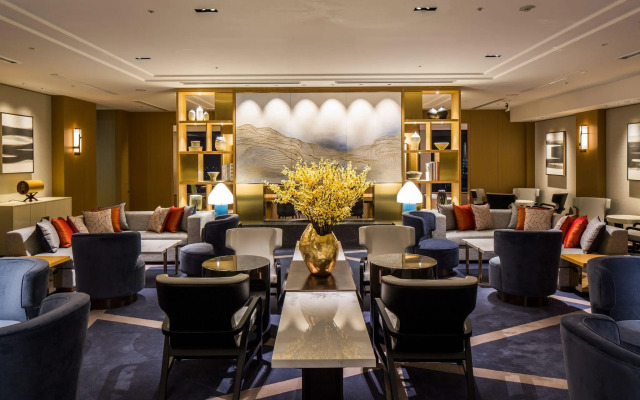 ★★★★★ 5 star
Keio Plaza Hotel Tokyo Premier Grand
Tokyo
Tap for live prices ★★★★★ 5 star
Park Hyatt Tokyo
Tokyo
Tap for live prices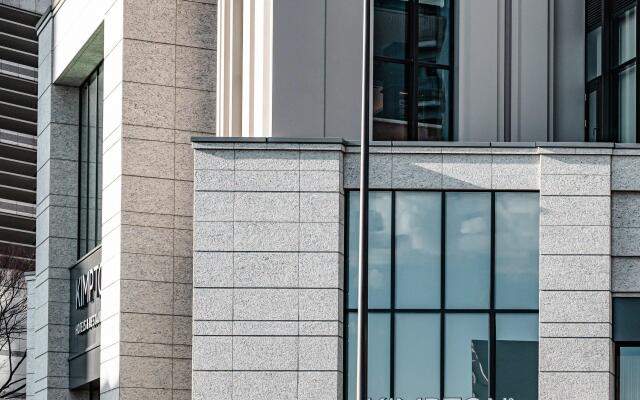 ★★★★★ 5 star
Kimpton Shinjuku Tokyo by IHG
Tokyo
Tap for live prices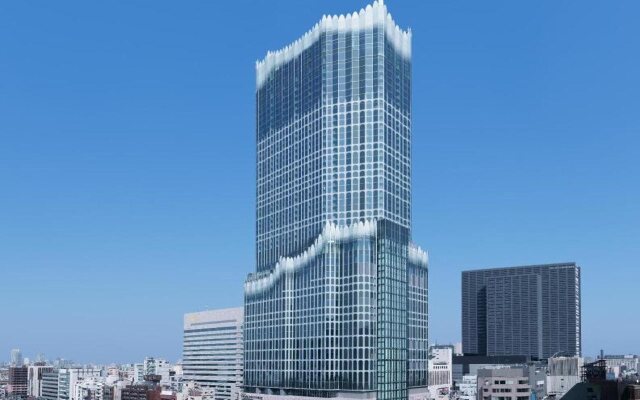 ★★★★★ 5 star
BELLUSTAR TOKYO, A Pan Pacific Hotel
Tokyo
Tap for live prices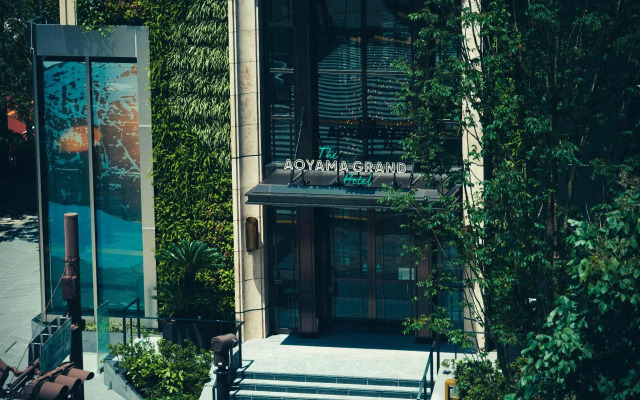 ★★★★★ 5 star
The Aoyama Grand Hotel
Tokyo
Tap for live prices ★★★★★ 5 star
Cerulean Tower Tokyu Hotel
Tokyo
Tap for live pricesGetting there
Haneda is closer to the centre than Narita and worth the small premium. The metro reaches both the start and finish, and runs early enough on race morning.
Frequently asked questions
What are the odds of getting into the Tokyo Marathon ballot?
Reported acceptance is around 10 to 12 percent, so roughly nine in ten applicants are rejected. Applying in consecutive years does not improve your odds, because there is no loyalty or rollover system.
How do I run Tokyo if I miss the ballot?
There are three realistic routes: a charity place in exchange for a donation, a qualifying time through the time based entry, or a guaranteed entry sold as part of a tour operator package with accommodation.
Is the Tokyo Marathon a good course for a personal best?
Yes. It is flat, well organised and run in cool early-March weather, which makes it one of the faster Majors for a recreational runner.
Where should I stay for the Tokyo Marathon?
Shinjuku puts you at the start and Marunouchi puts you at the finish. Shinjuku is the safer choice, because getting to the start on time matters more than the walk back afterwards.
Other World Marathon Majors
Also in Tokyo
More to plan and book around Tokyo, all on Event Escapes.
Ballot windows and entry rules change every year. Always confirm the current details with the official race before booking travel.