




 Photo: Harmony Falls / Google Maps View photos
Estádio do Maracanã Seating Map
Your seating plan and chart: where to sit, the best seats and the view from your seat
“Maracanã” · “Maraca” · “Templo do Futebol”
Live tickets at Estádio do Maracanã
All tickets & hotelsEstádio do Maracanã in photos
6 outside · 2 inside the venue
Where should you sit at Estádio do Maracanã?
The best seats at Estádio do Maracanã are Oeste central, lower ring for the view. For value, choose Leste or Oeste upper ring, central. For atmosphere, head to Norte or Sul lower (home end). Avoid Behind-goal upper ring, back rows (Norte/Sul superior). Estádio do Maracanã seats 78,838, home of Flamengo and Fluminense.
Oeste central, lower ring
Central main-stand seats level with the halfway line give the cleanest, shaded view of the whole pitch.
Full detail Best valueLeste or Oeste upper ring, central
Elevated side seats capture the full sweep of the pitch and both goals.
Full detail Best atmosphereNorte or Sul lower (home end)
Behind the goal with the torcidas organizadas for the loudest, most colorful support.
Full detail Where to avoidBehind-goal upper ring, back rows (Norte/Sul superior)
Very high and far, with a distant end-on view of play.
Full detailAbout Estádio do Maracanã
The Maracanã holds about 78,838 as an all-seater, arranged in a lower ring (cadeiras inferiores) and an upper ring (cadeiras superiores) split around the four sides: Norte, Sul, Leste and Oeste. The behind-goal Norte and Sul ends hold the organized supporters (torcidas organizadas) and are the loudest, most intense areas, while the Oeste (west) side is the main stand with the premium seating and camarotes. Central Oeste and Leste seats give the best all-round views; the upper ring offers a sweeping panorama of the whole bowl. It hosts Flamengo, Fluminense, cup finals and the Brazil national team.
The Maracanã, officially Estádio Jornalista Mário Filho, is the vast elliptical concrete bowl in Rio de Janeiro built for the 1950 World Cup and reborn as a modern all-seater for the 2014 World Cup and 2016 Olympics. Two continuous tiers ring the pitch under a lightweight tensile roof, and on big matchdays the sound of Flamengo and Fluminense crowds turns it into a wall of noise and color.
Estádio do Maracanã seating map
General seating reference for Estádio do Maracanã, also known as the Estádio do Maracanã seating plan, seating chart or seat plan. Check your selected event for its exact configuration.
What is the Estádio do Maracanã seating capacity?
The Estádio do Maracanã seating capacity is about 78,838 seats. The number in use changes with the layout, so here is how each set-up works.
Football (club)
Flamengo and Fluminense league and cup matches use the full bowl, with home torcidas behind one goal and away supporters segregated in an allocated end.
Football (Brazil NT / finals)
Brazil internationals and Libertadores or Copa do Brasil finals fill the bowl to near capacity with a more mixed, festival crowd across all sides.
End-stage concert
Major concerts build a stage over the pitch at one end; the field becomes GA or seated rows and the far end is often curtained, while the ringed tiers keep views.
What are the seating levels at Estádio do Maracanã?
Cadeira InferiorNorte, Sul, Leste, Oeste (lower)
The lower ring closest to the pitch, wrapping all four sides.
Pros: Close to the action and the atmosphere, especially near the ends.
Cons: Lower rows have a flatter angle; behind-goal ends can be packed and partly standing in spirit.
Cadeira SuperiorNorte, Sul, Leste, Oeste (upper)
The upper ring circling the whole stadium under the roof.
Pros: Sweeping panoramic views of the pitch and the full bowl; well covered by the roof.
Cons: Far from the pitch, particularly high behind the goals.
Oeste Premium / Maracanã MaisOeste central sections and camarotes
The main west stand with premium seats, hospitality and executive boxes.
Pros: Best central sightlines, shade, comfort and hospitality access.
Cons: The most expensive tickets in the stadium.
Norte & Sul (behind goals)Norte and Sul, lower and upper
The behind-goal ends that host the torcidas organizadas and away allocation.
Pros: The most passionate, song-filled atmosphere in the ground.
Cons: End-on view of the pitch and dense, partisan crowds.
What are the best seats at Estádio do Maracanã?
Best overall view
Oeste central, lower ring
Central main-stand seats level with the halfway line give the cleanest, shaded view of the whole pitch.
Panorama on a budget
Leste or Oeste upper ring, central
Elevated side seats capture the full sweep of the pitch and both goals.
Atmosphere and singing
Norte or Sul lower (home end)
Behind the goal with the torcidas organizadas for the loudest, most colorful support.
First-time visitor comfort
Oeste premium / Maracanã Mais
Central, covered and comfortable with hospitality, ideal for a first Maracanã experience.
Value with a good angle
Leste central, lower ring
The east side opposite the main stand offers solid central views at lower prices.
| For | Sections | Why |
|---|---|---|
| Best overall view | Oeste central, lower ring | Central main-stand seats level with the halfway line give the cleanest, shaded view of the whole pitch. |
| Panorama on a budget | Leste or Oeste upper ring, central | Elevated side seats capture the full sweep of the pitch and both goals. |
| Atmosphere and singing | Norte or Sul lower (home end) | Behind the goal with the torcidas organizadas for the loudest, most colorful support. |
| First-time visitor comfort | Oeste premium / Maracanã Mais | Central, covered and comfortable with hospitality, ideal for a first Maracanã experience. |
| Value with a good angle | Leste central, lower ring | The east side opposite the main stand offers solid central views at lower prices. |
Which seats should you avoid at Estádio do Maracanã?
Behind-goal upper ring, back rows (Norte/Sul superior): Very high and far, with a distant end-on view of play.
Lower front rows behind the goals: Flat angle and, in a packed torcida, a restricted, jostled view.
Sections next to the away segregation lines: Buffer zones and heavy security can dampen the view and experience.
Concert seats behind an end stage: Curtained off or facing away from the stage.
Where is accessible seating at Estádio do Maracanã?
The Maracanã was rebuilt to modern accessibility standards for 2014 and 2016, with wheelchair and companion positions, accessible entrances, ramps, lifts and adapted restrooms on multiple levels. Accessible tickets are arranged through the clubs' or operator's official channels, ideally booked in advance.
Where: Accessible platforms are distributed around the lower and intermediate levels on several sides, including the Oeste main stand.
What food and drink is there at Estádio do Maracanã?
The modernised Maracanã has bars and lanchonetes around the concourses selling sandwiches, salgados, soft drinks and beer. Premium options have grown in recent years: the Maracanã Mais area in the west sector offers buffet service with a guaranteed seat, and Flamengo members can use the Espaço Fla+ lounge with an exclusive buffet and unlimited draught beer on club matchdays.
Beer sales inside Rio de Janeiro's football stadiums were re-authorised by the state in 2015, although authorities have restricted alcohol sales for particular fixtures.
Worth seeking out
- Maracanã Mais premium sector with buffet service
- Espaço Fla+ lounge: buffet and draught beer (Flamengo matches)
- Concourse lanchonetes selling sandwiches and salgados
Book with Event Escapes
Going to Estádio do Maracanã? Tickets & hotels, sorted
The guide tells you where to sit. This is where you book it. Live-priced tickets and stays near the venue, all on Event Escapes.
Fixtures & tickets at Estádio do Maracanã

Hotels near Estádio do Maracanã
All hotels & live prices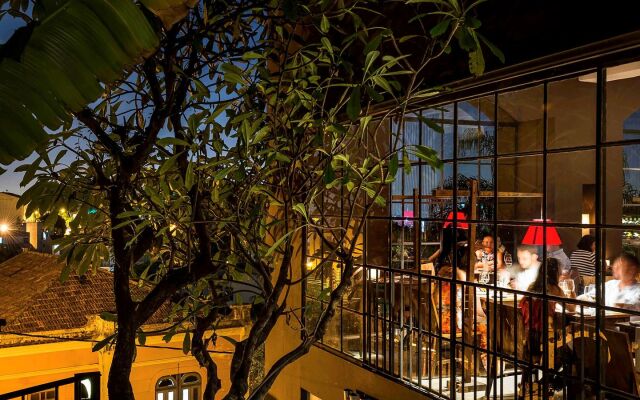 5-star
Santa Teresa Hotel Rio de Janeiro - MGallery Collection
Rio de Janeiro
See live prices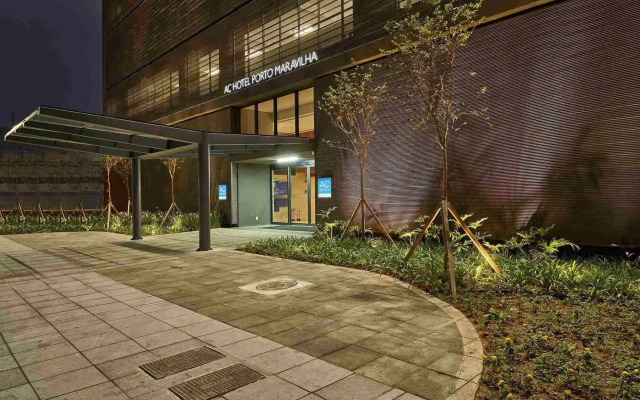 4-star
Intercity Rio de Janeiro Porto Maravilha
Rio de Janeiro
See live pricesStays close to Estádio do Maracanã, with availability checked when we built this guide. Tap a hotel for live prices on your dates.
How do you get to Estádio do Maracanã?
Transport
The dedicated Maracanã station serves both the SuperVia trains and Metro Line 2, and lets out just across from the stadium's Oeste side. On matchdays walking from the station in the crowd is part of the experience; driving and parking are difficult, so the train or Metro is strongly recommended.
The area
The stadium sits in the Maracanã district of northern Rio, next to the Maracanãzinho arena and within reach of the Tijuca and Vila Isabel neighborhoods. It is a residential, football-mad area rather than a tourist strip, so most visitors come for the match or the stadium tour and head elsewhere afterward.
Estádio do Maracanã · Rio de Janeiro, Brazil
Estádio do Maracanã parking: where can you park?
The closest car park to Estádio do Maracanã is Unita Park Estacionamentos, 360 m away. Here are 6 car parks nearest the venue, each marked with a blue P on the map above. On event days public transport is usually quicker than driving.
- Unita Park EstacionamentosRua Artur Menezes, 43 - Maracanã, Rio de Janeiro360 m
- Garagem Paula & SouzaAvenida Paula Sousa, 393 - Maracanã, Rio de Janeiro463 m
- EstacionamentoRua São Francisco Xavier, 246 - Maracanã, Rio de Janeiro517 m
- EstacionamentoPraça Niterói, 18 - Maracanã, Rio de Janeiro566 m
- America Park - Maraca ParkRua Professor Gabizo, 355 - Maracanã, Rio de Janeiro608 m
- Estacionamento ItamaratiRua Visconde de Itamarati, 99 - Maracanã, Rio de Janeiro630 m
Frequently asked questions
What is the current capacity of the Maracanã?
As a modern all-seater the Maracanã holds about 78,838, though some sources cite slightly different figures depending on the configuration. Before its renovations it held well over 100,000 as a standing stadium.
Which end should I sit in for atmosphere?
The behind-goal Norte and Sul ends host the organized supporters (torcidas organizadas) and are the loudest, most colorful areas. For a first visit, the central Oeste side balances atmosphere with comfort and views.
Who plays at the Maracanã?
It is the home of Flamengo and Fluminense, and regularly hosts the Brazil national team plus Copa do Brasil and Copa Libertadores finals.
How do I get to the Maracanã?
Take Metro Line 2 or a SuperVia train to Maracanã station, which is right across from the stadium's Oeste side. Driving is difficult on matchdays.
What do Norte, Sul, Leste and Oeste mean?
They are the compass sides of the bowl: Norte (north) and Sul (south) are the behind-goal ends, while Leste (east) and Oeste (west) are the sidelines, with Oeste the main premium stand.
Can tourists take a stadium tour?
Yes. The Maracanã runs regular guided tours that include the stands, pitchside, dressing rooms and museum, available on most non-matchdays.
Which seats are best for concerts at Estádio do Maracanã?
Major concerts build a stage over the pitch at one end; the field becomes GA or seated rows and the far end is often curtained, while the ringed tiers keep views.
How do section numbers work at Estádio do Maracanã?
Section numbers at Estádio do Maracanã follow the seating tiers. Cadeira Inferior: Norte, Sul, Leste, Oeste (lower); Cadeira Superior: Norte, Sul, Leste, Oeste (upper); Oeste Premium / Maracanã Mais: Oeste central sections and camarotes; Norte & Sul (behind goals): Norte and Sul, lower and upper.
Does Estádio do Maracanã have a seating map with seat numbers?
Yes. Estádio do Maracanã's seating map is split into numbered sections across its tiers (Cadeira Inferior Norte, Sul, Leste, Oeste (lower); Cadeira Superior Norte, Sul, Leste, Oeste (upper); Oeste Premium / Maracanã Mais Oeste central sections and camarotes; Norte & Sul (behind goals) Norte and Sul, lower and upper), with individual seat numbers running within each section. Check the seating map on this page or the official chart for exact seat numbers.
What is the view like from the seats at Estádio do Maracanã?
The best views at Estádio do Maracanã are from Oeste central, lower ring: Central main-stand seats level with the halfway line give the cleanest, shaded view of the whole pitch. The weakest are Behind-goal upper ring, back rows (Norte/Sul superior): Very high and far, with a distant end-on view of play. For a seat-by-seat view, see the view-from-seat photos and the seating map for Estádio do Maracanã.
Where are the wheelchair-accessible seats at Estádio do Maracanã?
The Maracanã was rebuilt to modern accessibility standards for 2014 and 2016, with wheelchair and companion positions, accessible entrances, ramps, lifts and adapted restrooms on multiple levels. Accessible tickets are arranged through the clubs' or operator's official channels, ideally booked in advance. Locations: Accessible platforms are distributed around the lower and intermediate levels on several sides, including the Oeste main stand..
What are the stands at Estádio do Maracanã?
Estádio do Maracanã is made up of 4 main stands: Cadeira Inferior; Cadeira Superior; Oeste Premium / Maracanã Mais; Norte & Sul (behind goals).
Where do away fans sit at Estádio do Maracanã?
Flamengo and Fluminense league and cup matches use the full bowl, with home torcidas behind one goal and away supporters segregated in an allocated end.
What is the view like from the seats at Estádio do Maracanã?
For the best view at Estádio do Maracanã, aim for Oeste central, lower ring (Central main-stand seats level with the halfway line give the cleanest, shaded view of the whole pitch.); Leste or Oeste upper ring, central (Elevated side seats capture the full sweep of the pitch and both goals.). The view is most restricted from Behind-goal upper ring, back rows (Norte/Sul superior) (Very high and far, with a distant end-on view of play.).
Which seats are shaded or undercover at Estádio do Maracanã?
Central main-stand seats level with the halfway line give the cleanest, shaded view of the whole pitch.
Is Estádio do Maracanã covered, and does it have a roof?
The Maracana has a ring shaped roof that covers the seating bowl while the pitch is open to the sky.
Where can I park at Estádio do Maracanã?
Car parks near Estádio do Maracanã include Unita Park Estacionamentos, Garagem Paula & Souza, Estacionamento, Estacionamento and more. The closest is Unita Park Estacionamentos, about 360 m from the venue. On event days public transport is usually quicker than driving, so check the transport options too.
More seating guides
 Photo: Enilton Fialho / Google Maps
Allianz Parque
São Paulo, Brazil · Football stadium
Seating guide Photo: Claudivam Flaviano / Google Maps
Estádio Governador Magalhães Pinto (Mineirão)
Belo Horizonte, Brazil · Football stadium
Seating guide Photo: Ebrahim Kahlawi Hassan Mohamed / Google Maps
Old Trafford
Manchester, England · Football stadium
Seating guide Photo: abderrahman Aznag / Google Maps
De Kuip (Stadion Feijenoord)
Rotterdam, Netherlands · Football stadium
Seating guide Photo: Gandalf 74 / Google Maps
San Siro (Giuseppe Meazza)
Milan, Italy · Football stadium
Seating guide Photo: PGE Narodowy / Google Maps
PGE Narodowy
Warsaw, Poland · Football stadium
Seating guidePopular seating guides
 Photo: Google Maps
The O2 Arena
London, England · Arena
Seating guide Photo: NoUser / Google Maps
Wembley Stadium
London, England · Multi-sport stadium
Seating guide Photo: Steve White / Google Maps
Tottenham Hotspur Stadium
London, England · Football stadium
Seating guide Photo: Priyanto Akhmad Solihin / Google Maps
Anfield
Liverpool, England · Football stadium
Seating guide Photo: Google Maps
Ibrox Stadium
Glasgow, Scotland · Football stadium
Seating guide Photo: Rakesh Singh / Google Maps
AO Arena
Manchester, England · Arena
Seating guide